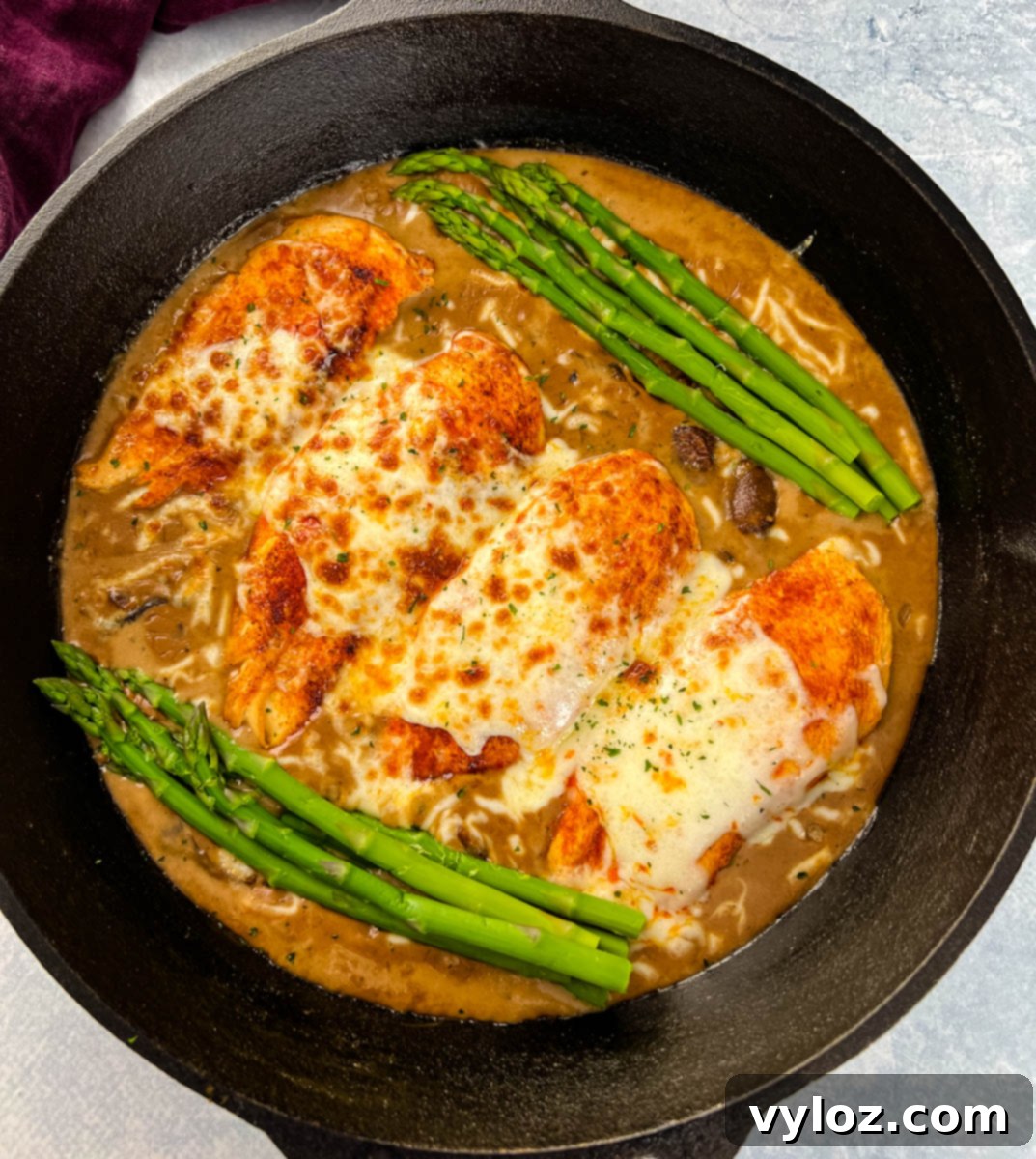
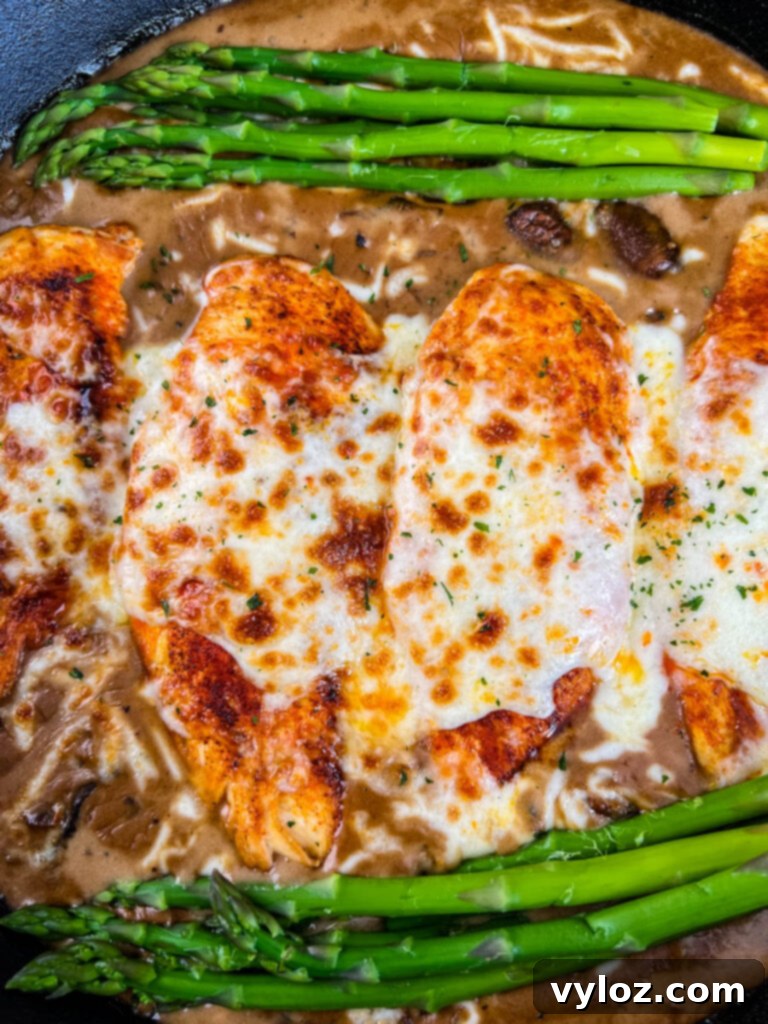
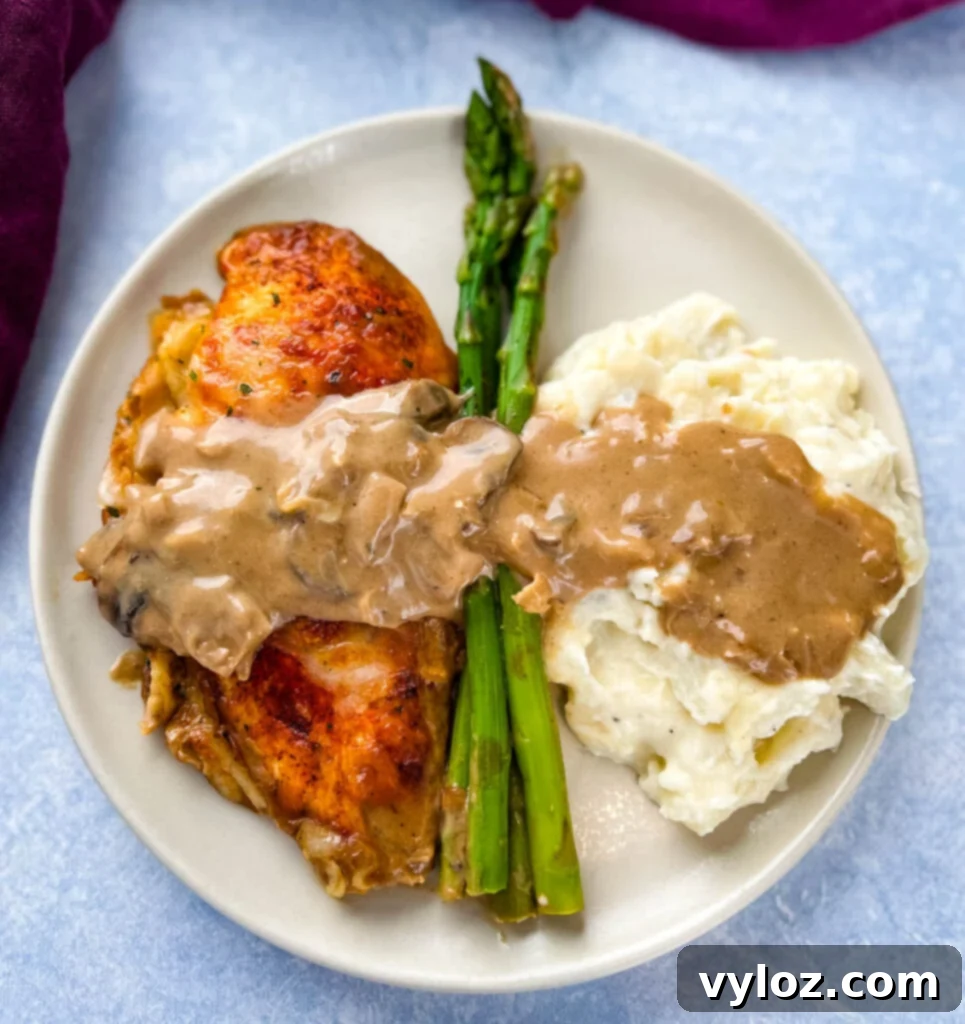
Welcome to the ultimate guide for recreating the iconic **Cheesecake Factory Chicken Madeira** at home. This beloved dish, a standout on the menus of both Cheesecake Factory and Grand Lux Cafe, is renowned for its succulent chicken breast enveloped in a rich, sweet, and savory Madeira wine sauce. Paired perfectly with creamy mashed potatoes and crisp asparagus, it’s a meal that promises both indulgence and comfort. Our copycat recipe captures the essence of this restaurant favorite, offering a one-pot solution that’s not only incredibly delicious but also ideal for meal prepping and enjoying as flavorful leftovers. Prepare to elevate your home cooking with a dish that consistently delivers on taste and sophistication.
This post contains affiliate links. Please read my full disclosure here.
Having dedicated a decade to crafting and sharing easy-to-follow recipes that never compromise on flavor, I can confidently say this Chicken Madeira recipe is a consistent crowd-pleaser. It embodies the principle that simplicity can yield truly exceptional results, tasting like a gourmet meal without the complex preparation. Every element, especially the star of the show – the sauce – has been meticulously tested and perfected to ensure it’s perfectly balanced with savory depth, a hint of sweetness, and thoroughly seasoned throughout. I’ve taken care of all the testing, so you can bypass the trial and error and go straight to enjoying a flawlessly executed dish.
Table of Contents
What is Chicken Madeira?
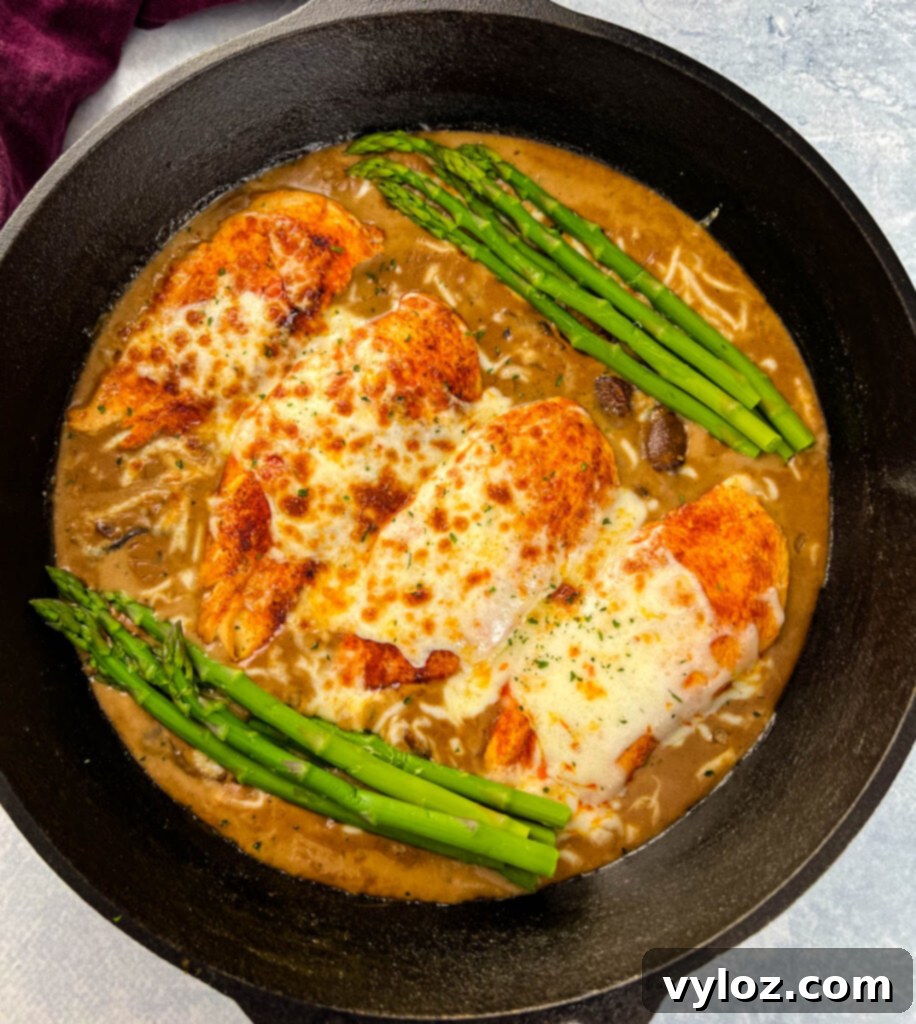
If you’re familiar with Chicken Marsala, then Chicken Madeira will feel like a delicious cousin. Both dishes feature pan-seared chicken breasts coated in a rich, wine-based sauce, but Madeira offers its own distinct flavor profile. The Cheesecake Factory’s description perfectly encapsulates its appeal: “Our most popular chicken dish! Sautéed Chicken Breast Topped with Fresh Asparagus and Melted Mozzarella Cheese. Covered with Fresh Mushroom Madeira Sauce and Served with Mashed Potatoes.”
Originating from the Portuguese island of Madeira, Madeira wine brings a unique depth of flavor that sets this dish apart. It’s truly the epitome of comfort food, offering a harmonious blend of textures and tastes. What makes this dish particularly satisfying is how well it holds up as leftovers. The luscious sauce acts as a protective blanket, ensuring the chicken remains incredibly moist and flavorful even after reheating. This inherent quality makes Chicken Madeira a fantastic choice for weekly meal prep, promising a delightful dining experience long after its initial preparation. The ability of the sauce to prevent dryness and lock in flavor is what truly makes it an ultimate win in the realm of chicken dishes.
Key Ingredients for This Copycat Chicken Madeira Recipe
Crafting the perfect Chicken Madeira involves a thoughtful selection of fresh, high-quality ingredients that build layers of flavor. Here’s what you’ll need to create this indulgent restaurant-style dish:
- Boneless, Skinless Chicken Breasts: The foundation of the dish, providing a lean protein base.
- Olive Oil: Essential for searing the chicken and sautéing the aromatics, imparting a subtle fruity note.
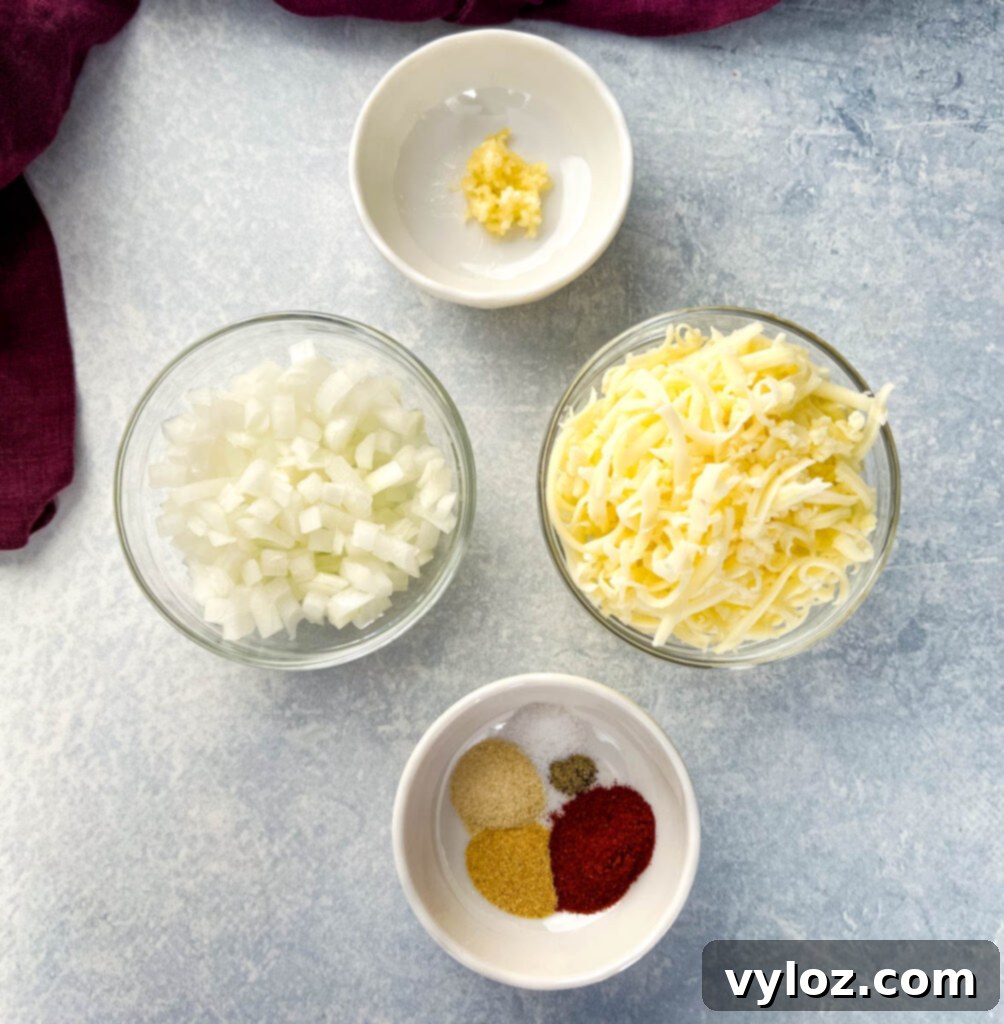
- Smoked Paprika, Onion Powder, Garlic Powder, Salt, and Pepper: A simple yet powerful blend of seasonings to flavor the chicken and enhance the sauce.
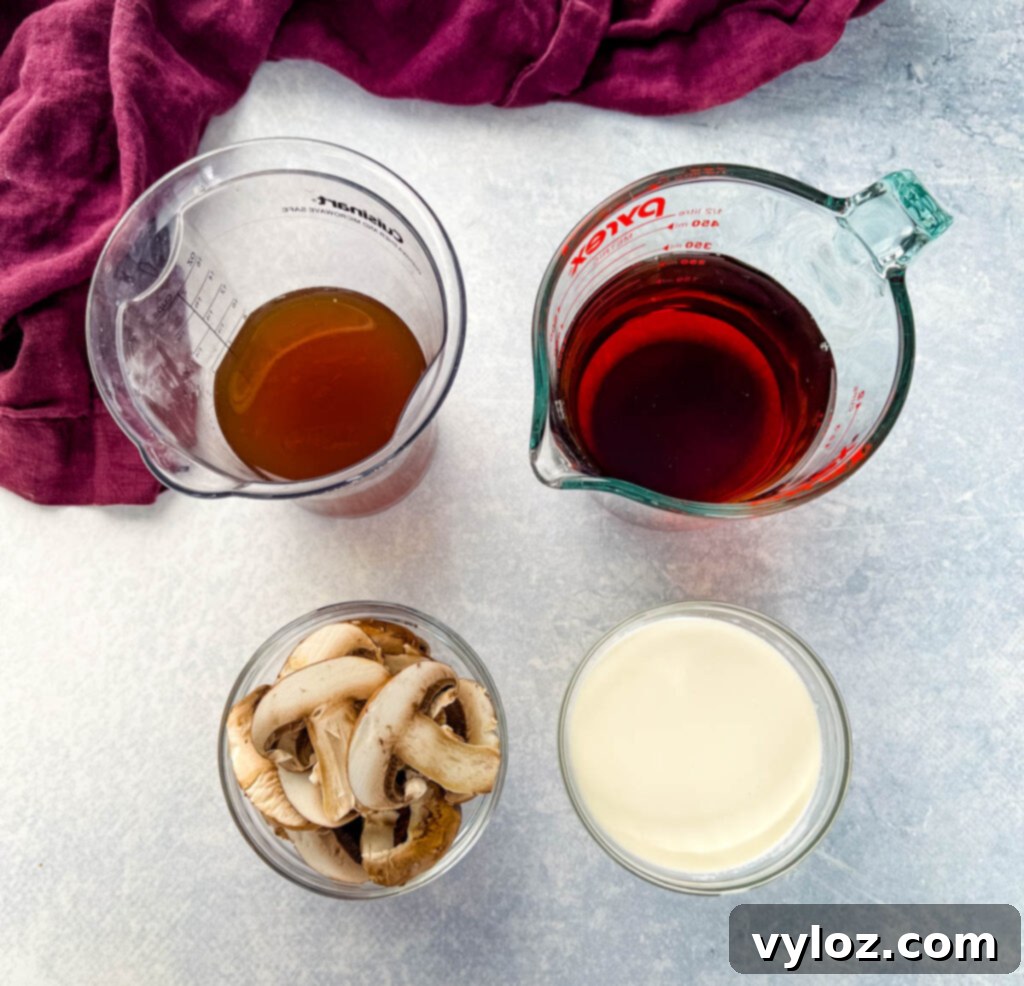
- Mushrooms: Sliced fresh mushrooms add an earthy, umami depth to the Madeira sauce. Cremini or white button mushrooms work beautifully.
- Onions: Chopped onions create a sweet and aromatic base for the sauce. White or yellow onions are ideal.
- Garlic: Freshly minced garlic is crucial for its pungent aroma and flavor, a cornerstone of many savory sauces.
- Chicken or Beef Broth: Provides the liquid base for the sauce, adding richness and savory notes. Beef broth is traditionally used for a deeper flavor, but chicken broth is a fine substitute.
- Madeira Wine: The star ingredient of the sauce, offering its distinctive sweet, nutty, and caramelized notes.
- Heavy Whipping Cream: Adds luxurious creaminess and richness to the sauce, balancing the wine’s acidity and sweetness.
- All-Purpose Flour: Used to create a slurry with water, which thickens the Madeira sauce to the perfect consistency.
- Mozzarella Cheese: Shredded mozzarella, melted over the chicken, provides a gooey, savory topping that completes the dish.
What Type of Chicken to Use
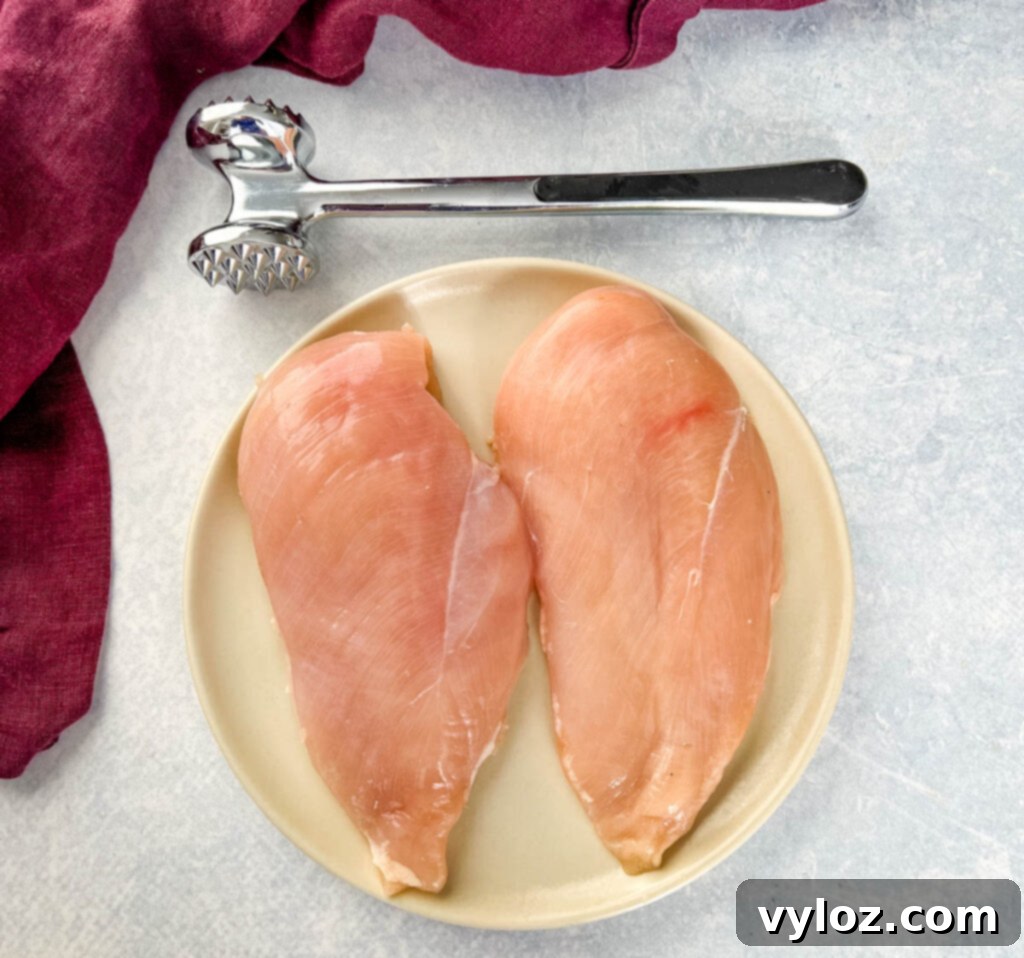
Traditionally, Chicken Madeira is crafted using boneless, skinless chicken breasts. To ensure even cooking and a tender result, you’ll need to slice these breasts horizontally to create thinner cutlets. This method ensures that the chicken cooks quickly and remains uniformly moist.
While chicken breasts are classic, don’t feel limited. If you prefer, boneless chicken thighs can also be used; their slightly higher fat content can lead to an even juicier outcome. Alternatively, for a quicker preparation, pre-cooked rotisserie chicken can be shredded and added to the sauce at the very end, once the sauce has thickened. Whichever cut you choose, the key is to ensure it’s prepared to absorb the incredible flavors of the Madeira sauce.
Understanding Madeira Wine
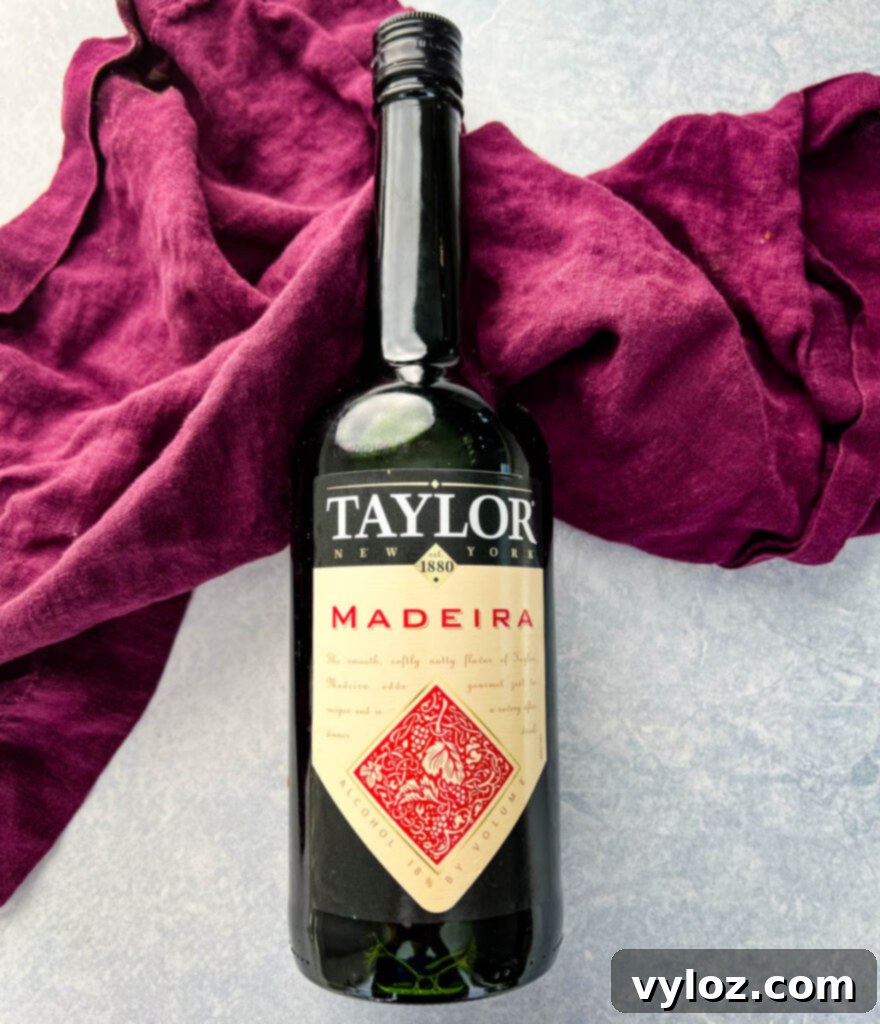
The unique character of Chicken Madeira largely stems from its namesake ingredient: Madeira wine. This fortified wine hails from the small, picturesque Portuguese island of Madeira, nestled in the North Atlantic Ocean. What makes Madeira wine truly distinct is its traditional aging process, which involves heating and oxidation. This method, known as ‘estufagem’ or ‘canteiro’, mimics the conditions experienced by wines on long sea voyages, resulting in a wine with complex and robust flavors.
Madeira wine comes in a spectrum of styles, from dry (such as Sercial and Verdelho, ideal for savory cooking) to sweet (like Bual and Malmsey, which can add a richer, sweeter note to sauces). Its unique taste profile typically features notes of roasted nuts, caramel, toffee, and dried fruits, often with a hint of smoky complexity. This rich, caramelized depth is what transforms a simple chicken dish into a gourmet experience. You can read more about the fascinating history and varieties of Madeira wine here.
When shopping for Madeira, it’s crucial to distinguish between true Madeira wine and “Madeira cooking wine.” You might encounter cooking wines alongside other cooking staples in your local grocery store, often outside the dedicated alcohol section. These products are typically loaded with preservatives, added sweeteners, and excessive salt. Such additives can drastically alter the intended flavor of your dish, making it overly sweet, too salty, or even imparting an undesirable metallic taste. For an authentic and superior flavor, always opt for genuine Madeira wine, which you can usually find in the wine or liquor aisle of a well-stocked grocery store, or at a specialized wine merchant. The quality of real Madeira wine will significantly elevate your sauce, providing a much richer and more nuanced flavor.
Recommended Pan to Use
For this Chicken Madeira recipe, the right pan can make all the difference in achieving that perfect restaurant-quality sear and ensuring a smooth, cohesive one-pot cooking experience. My top recommendation is a 12-inch cast iron skillet. Cast iron excels at retaining and distributing heat evenly, which is essential for developing a beautiful, golden-brown crust on your chicken cutlets. Its robust nature means it can withstand high temperatures, leading to a superior sear compared to many other pan types.
A 10-inch cast iron or stainless steel pan can also work, but be mindful of the chicken quantity. If your chicken breasts are larger, you might need to cook the cutlets in batches to avoid overcrowding the pan. Overcrowding lowers the pan’s temperature, steaming the chicken instead of searing it, which prevents that desirable crust from forming.
While a non-stick pan is convenient, it typically doesn’t achieve the intense sear that truly enhances the flavor and texture of chicken breasts in this recipe. The high heat capabilities of cast iron or stainless steel pans are unmatched for this purpose.
Crucially, to fully embrace the “one-pot meal” aspect of this recipe, ensure your chosen pan is oven-safe. After searing the chicken and building the luscious Madeira sauce, the dish gets a final flourish in the oven. This allows the mozzarella cheese to melt beautifully and achieve a slight golden crispness under the broiler, completing the dish without needing extra cookware.
How to Make Chicken Madeira: A Step-by-Step Guide
Creating this flavorful Chicken Madeira at home is simpler than you might imagine, especially when following these detailed steps. The full measurements and precise instructions are available in the recipe card at the bottom of this post, but here’s an overview to guide you through the process:
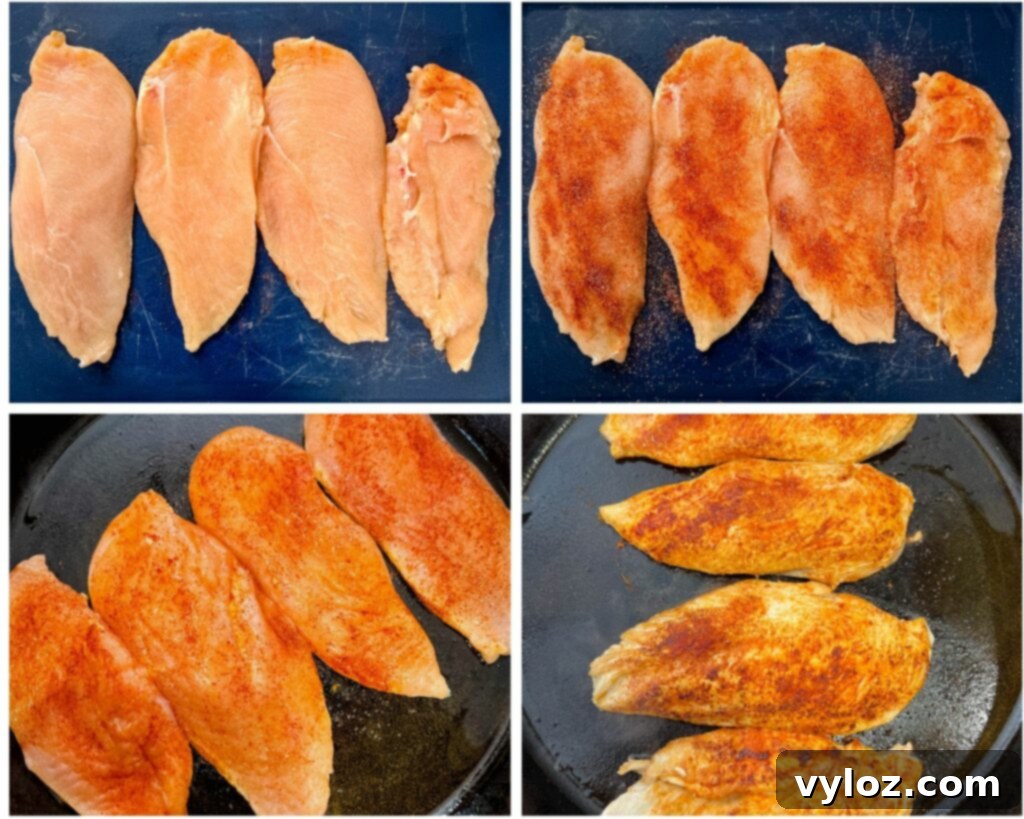
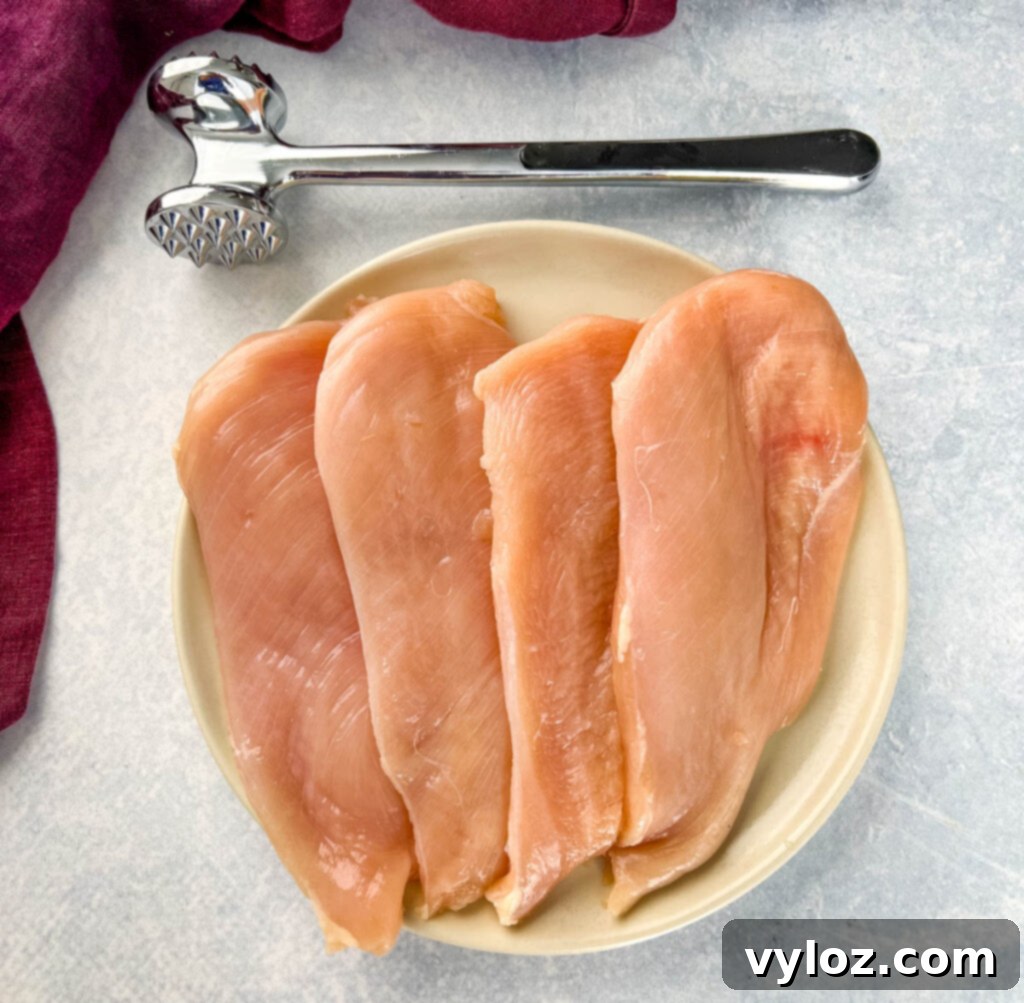
- **Prepare the Chicken:** Begin by slicing your boneless, skinless chicken breasts horizontally to create thinner cutlets. This ensures even cooking. Once sliced, place them between two sheets of plastic wrap or wax paper and pound them to a uniform thickness, ideally between ¼ to ½ inch. This tenderizes the meat and helps it cook consistently. Season both sides of the chicken cutlets generously with paprika, garlic powder, onion powder, salt, and black pepper to taste.
- **Sear the Chicken:** Heat olive oil in your chosen oven-safe pan (a cast iron or stainless steel skillet is recommended for the best sear) over medium-high heat. Once the oil is shimmering, carefully add the seasoned chicken cutlets. Sear each side for 3-4 minutes, or until deeply golden brown and cooked through. Remove the chicken from the pan and set it aside on a plate.
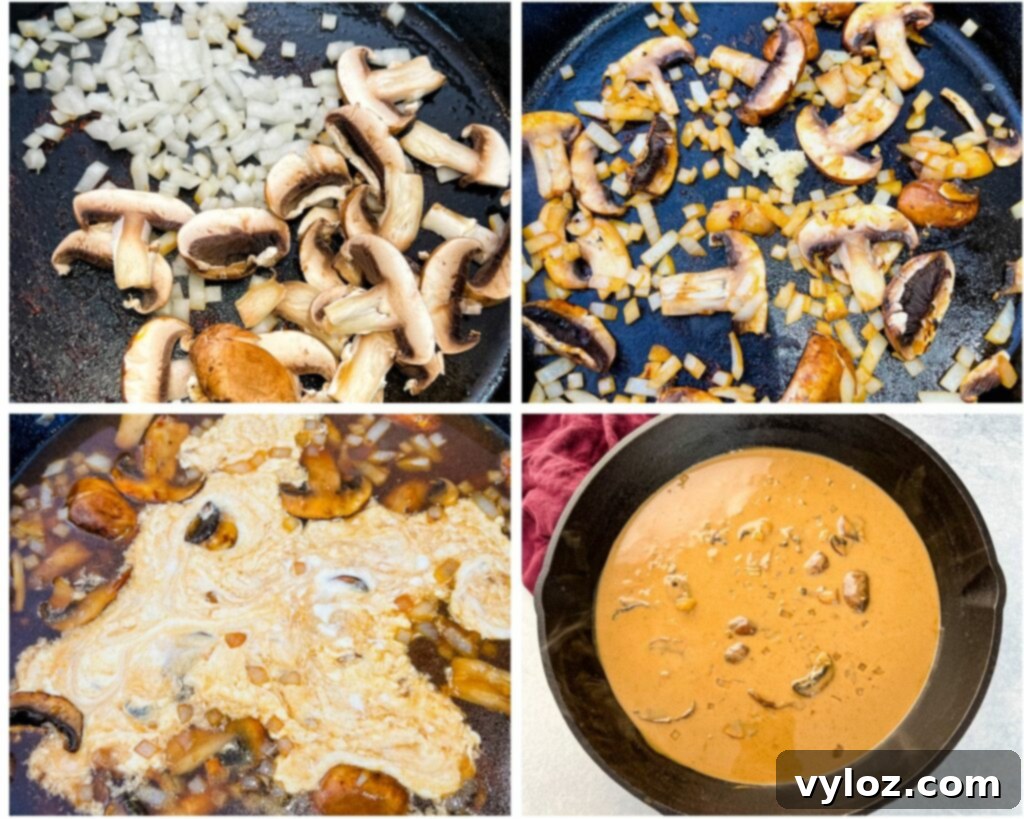
- **Sauté Aromatics:** If needed, add a touch more olive oil to the pan. Add the sliced onions and mushrooms to the hot pan. Sauté for 3-4 minutes until the onions become translucent and fragrant, and the mushrooms have softened and released some of their moisture. Stir in the minced garlic and cook for another minute until fragrant, being careful not to burn it.
- **Deglaze and Add Wine:** Pour in the beef broth and Madeira wine into the pan. Increase the heat slightly to medium-high. Use a wooden spoon to vigorously scrape up any browned bits stuck to the bottom of the pan. This process, known as deglazing, releases concentrated flavors into your sauce, adding incredible depth. Bring the mixture to a gentle simmer.
- **Incorporate Cream:** Reduce the heat to medium-low, then pour in the heavy whipping cream. Stir well to combine all the ingredients, creating a creamy and aromatic base for your sauce.
- **Thicken the Sauce:** In a separate small bowl, whisk together the all-purpose flour and water to create a smooth slurry. Gradually add this slurry to the simmering sauce in the pan, stirring continuously. Continue to stir until the sauce begins to thicken to your desired consistency, usually within a few minutes. If it’s too thick, add a splash more broth; if too thin, a bit more slurry (mixed separately first) can be added.
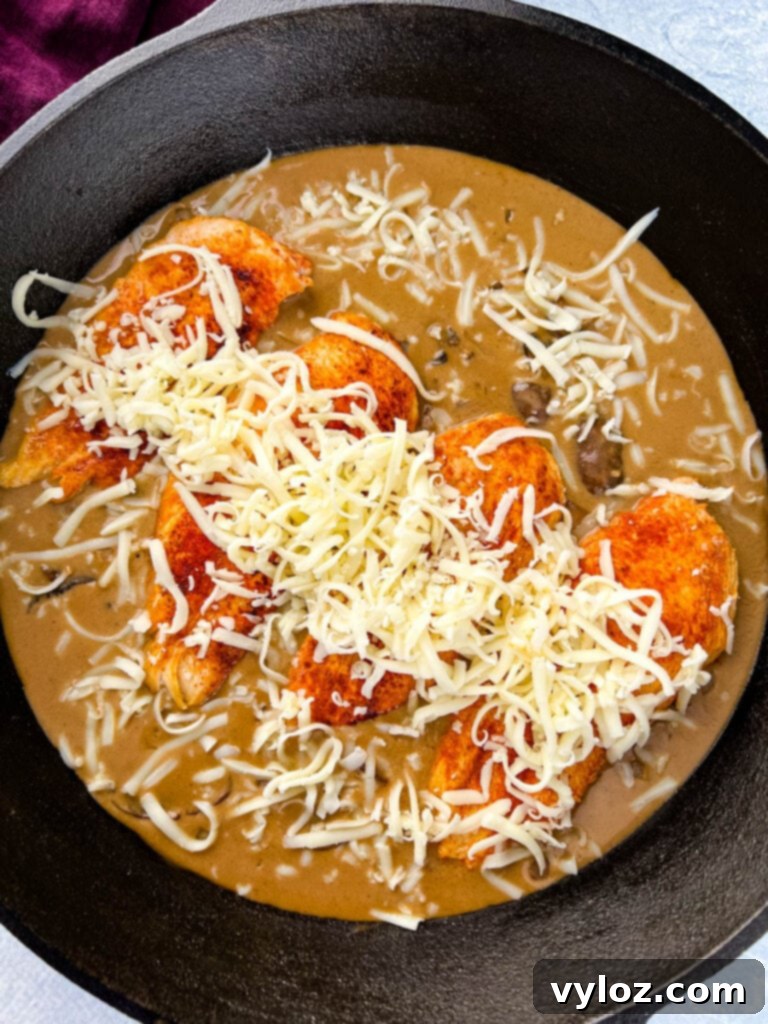
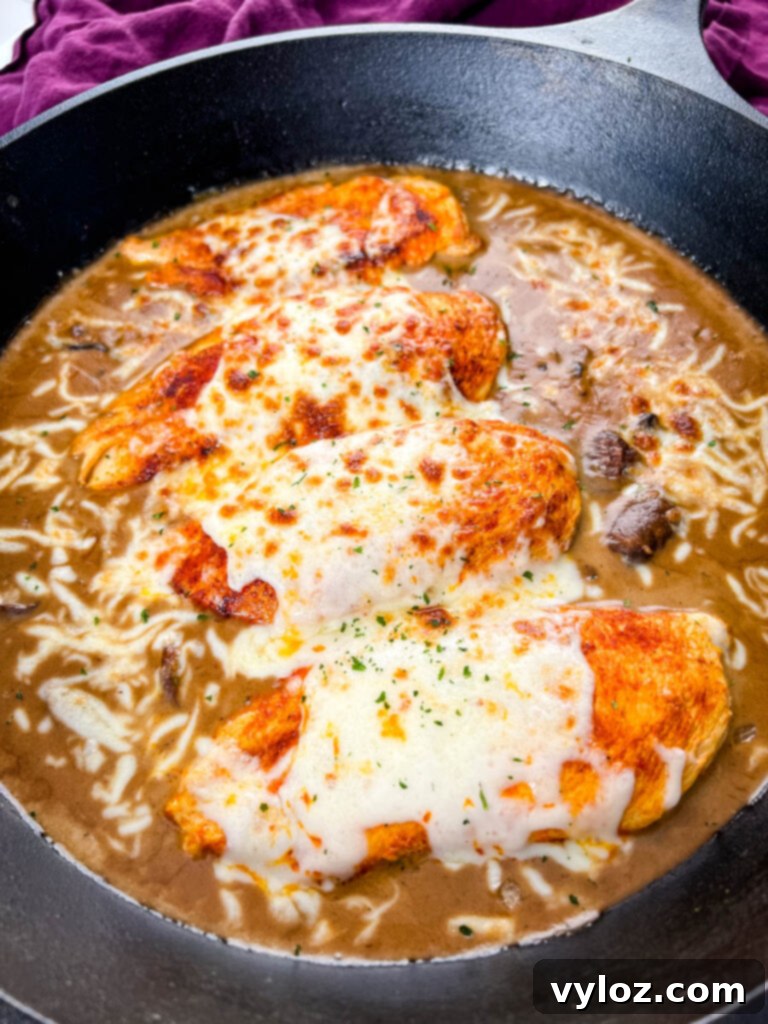
- **Finish with Chicken and Cheese:** Return the seared chicken cutlets to the pan, nestling them into the rich Madeira sauce. Sprinkle a generous amount of shredded mozzarella cheese evenly over the chicken.
- **Broil to Perfection:** Transfer the oven-safe pan to a preheated broiler. Broil for 2-4 minutes, keeping a close eye on it, until the mozzarella cheese is perfectly melted, bubbly, and lightly golden brown.
- **Serve:** Carefully remove the pan from the oven. Serve your exquisite Chicken Madeira immediately with your favorite accompaniments, such as creamy mashed potatoes and tender asparagus.
The Importance of Pounding Chicken Cutlets
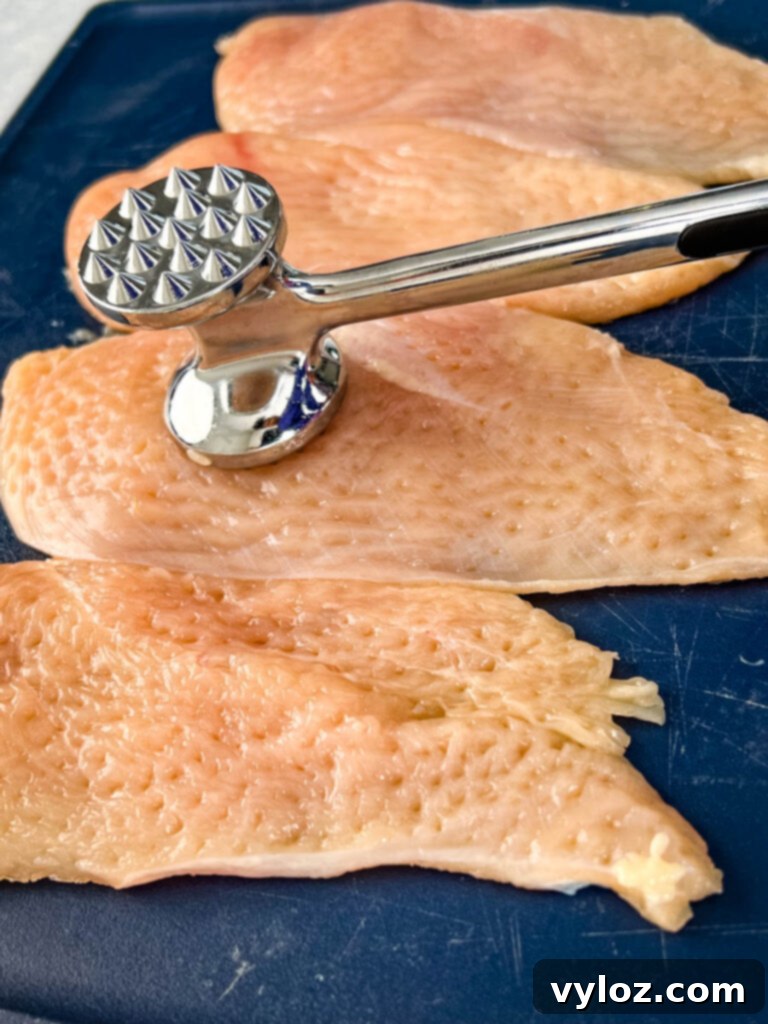
Pounding chicken cutlets is a simple yet crucial step that significantly impacts the final quality of your Chicken Madeira. It serves two primary purposes, ensuring both even cooking and enhanced tenderness.
Firstly, raw chicken breasts often have varying thicknesses – thicker at one end and thinner at the other. If cooked in this uneven state, the thinner parts will inevitably cook faster and become dry and tough by the time the thicker sections are fully cooked. Pounding the chicken to a uniform thickness, typically between a quarter-inch and half-inch, guarantees that every part of the cutlet cooks at the same rate. This eliminates the risk of dry, overcooked edges and undercooked centers, resulting in consistently juicy and perfectly cooked chicken every time.
Secondly, pounding physically breaks down the muscle fibers in the chicken. This tenderizing action makes the meat softer and more pliable, resulting in a remarkably tender texture that’s a pleasure to bite into. Nobody enjoys dry or chewy chicken breasts, and this step is your secret weapon against them. Even if you skip wrapping the chicken in plastic wrap or wax paper (though it helps with cleanliness and preventing meat splatters), the act of pounding still yields tender results.
You can use a dedicated meat mallet, a rolling pin, or even a sturdy glass mason jar to pound your chicken. The goal is to achieve a consistent width across the entire cutlet, ensuring that the meat is as uniform as possible for optimal cooking. For more expert advice on this technique, you can delve into simple tricks to make chicken breasts better.
Substitutions and Variations for Chicken Madeira
This Chicken Madeira recipe is wonderfully adaptable, allowing for various substitutions and adjustments to suit different dietary needs or ingredient availability. Here are some ideas to customize your dish without compromising on flavor.
How to Substitute Madeira Wine
If true Madeira wine is difficult to find or you simply prefer an alternative, there are several excellent substitutes that can still deliver a rich, wine-infused sauce:
- **Dry Marsala Wine:** This is perhaps the closest substitute and will yield a dish similar to Chicken Marsala. Marsala offers a nutty, caramelized flavor that works beautifully with chicken and mushrooms.
- **Dark Sherry:** Opt for a dry or medium-dry sherry. Its rich, fortified character can provide a good depth of flavor, though it may be slightly less sweet than Madeira.
- **Red Vermouth:** A dry red vermouth can also be used. It has an aromatic, herbal complexity that can add an interesting twist to the sauce.
- **Non-Alcoholic Options:** For a completely alcohol-free version, use a high-quality, low-sodium beef or chicken broth combined with a splash of balsamic vinegar or a tablespoon of grape juice. While the flavor won’t be identical, this combination will still provide depth and a touch of sweetness to your sauce.
Remember that the unique flavor profile of true Madeira wine is hard to replicate precisely, but these alternatives will still result in a delicious, restaurant-style chicken dish.
Ways to Lighten Up the Recipe
If you’re looking to enjoy Chicken Madeira with a lighter calorie count or reduced fat, here are some smart adjustments you can make:
- **Focus on Vegetables:** Instead of mashed potatoes, pair your Chicken Madeira with an abundance of leafy green vegetables, such as steamed spinach, sautéed green beans, or extra asparagus. This boosts fiber and nutrients while reducing carb intake.
- **Reduce Sauce Quantity:** Prepare only half of the sauce ingredients, including the all-purpose flour for thickening. This reduces the overall richness without sacrificing too much flavor.
- **Opt for Lighter Cream:** Substitute heavy whipping cream with half-and-half or even evaporated milk for a sauce that’s still creamy but with a lower fat content. Note that lighter creams may require slightly more gentle simmering to prevent curdling.
- **Skip the Cheese:** For a significant reduction in calories and fat, simply omit the shredded mozzarella cheese topping. The rich Madeira sauce alone provides ample flavor and moisture.
- **Leaner Protein:** While chicken breast is already lean, ensure you trim any visible fat before preparation.
- **Portion Control:** Be mindful of serving sizes, especially for the sauce and accompanying starches.
By implementing one or more of these variations, you can tailor this delicious Chicken Madeira to better fit your dietary preferences.
Serving Suggestions for Chicken Madeira
Chicken Madeira is a complete meal in itself, but the traditional accompaniments truly round out the experience. Here’s how to perfectly pair your chicken with sides that complement its rich flavors.
How to Cook Asparagus
Crisp-tender asparagus offers a refreshing contrast to the rich Madeira sauce. While blanched asparagus is a classic choice, you have several delicious options:
- **Blanched Asparagus:** To blanch, bring a pot of salted water to a rolling boil. Add the trimmed asparagus and cook for 3-4 minutes until it turns bright green and is tender-crisp. Immediately transfer the asparagus to an ice bath to stop the cooking process and preserve its vibrant color and texture.
- **Air Fryer Asparagus:** For a quick and easy method, try Air Fryer Asparagus. Toss with a little olive oil, salt, and pepper, then air fry until tender and slightly charred.
- **Grilled Asparagus:** During warmer months, grilling is a fantastic option. Prepare Grilled Asparagus in Foil for tender, smoky spears without much fuss.
- **Roasted Asparagus:** A simple roast in the oven with olive oil, salt, and pepper brings out its natural sweetness.
How to Make Mashed Potatoes
Creamy mashed potatoes are the ideal canvas for soaking up every drop of the luxurious Madeira sauce. Here are a few ways to prepare them:
- **Classic Creamy Mashed Potatoes:** Boil peeled and diced russet or Yukon Gold potatoes until fork-tender. Drain well, then mash with butter, warm milk or cream, salt, and pepper until smooth and fluffy.
- **Flavorful Variations:** Explore unique twists like my Ranch Mashed Potatoes for a zesty kick, or my incredibly easy Instant Pot Mashed Potatoes for a hands-off approach.
- **Sweet Potato Mash:** For a different flavor profile, my Mashed Sweet Potatoes are a delicious and slightly healthier alternative that pairs surprisingly well with the savory chicken.
No matter your preference, ensure your mashed potatoes are warm and velvety to complement the hot, saucy chicken.
How Many Calories in the Cheesecake Factory Version?
It’s worth noting the caloric content of the restaurant’s original dish. The Cheesecake Factory’s official website lists their Chicken Madeira as containing approximately 1,210 calories. This can be quite substantial for a single meal, especially when considering a balanced daily intake.
By preparing this copycat version at home, you have complete control over the ingredients, allowing you to tailor the recipe to your preferences and dietary goals. As detailed in the “Ways to Lighten Up the Recipe” section, you can significantly reduce the calorie and fat content while still enjoying the incredible flavors of this beloved dish. This homemade approach not only offers a healthier alternative but also provides the satisfaction of a delicious, restaurant-quality meal made right in your own kitchen.
How to Store Chicken Madeira
One of the many advantages of this Chicken Madeira recipe is how well it stores, making it perfect for both leftovers and future meal planning. Proper storage ensures the dish remains delicious and safe to eat.
- **Refrigeration:** Leftover Chicken Madeira can be stored in an airtight container in the refrigerator for 3-4 days. The rich sauce helps to keep the chicken moist, preventing it from drying out.
- **Freezing:** For longer storage, you can freeze Chicken Madeira. Transfer the cooled chicken and sauce to a freezer-safe, airtight container or heavy-duty freezer bag. It will keep well for 3-4 months. To defrost, simply transfer it to the refrigerator overnight. When reheating, especially if the sauce contains dairy, you might notice some slight separation. This is completely normal and can often be remedied by stirring the sauce vigorously as it heats up on the stovetop over low heat, or in the microwave. Add a splash of broth or cream if needed to restore its original consistency.
Madeira Chicken FAQs
I prefer to thicken the Madeira sauce using a slurry, which is a mixture of one part all-purpose flour and one part water. Alternatively, you can use cornstarch for a gluten-free option. To prepare the slurry, combine the chosen thickener and water in a separate small bowl, whisking until smooth. Then, gradually add this mixture to your simmering sauce, stirring continuously. The sauce will begin to thicken within a few minutes as it cooks, reaching a luscious, desirable consistency.
If Madeira wine is unavailable, excellent substitutes include dry Marsala wine or a good quality dry sherry. While the flavor profile won’t be identical to authentic Madeira, these alternatives will still contribute a rich, complex, and savory depth to your sauce, helping you achieve that desirable restaurant-style taste. Avoid “cooking wines” as they often contain excessive salt and preservatives.
To ensure your chicken remains juicy and tender, follow two key steps: First, pound the chicken breasts to an even thickness (about ¼ to ½ inch). This allows them to cook uniformly, preventing thinner edges from drying out while the thicker parts finish cooking. Second, avoid overcooking. A quick sear on each side until just cooked through is all that’s needed. The rich Madeira sauce will then envelop the chicken, helping to keep it moist and flavorful.
Absolutely! If you prefer to omit the wine, you can substitute it with an equal amount of low-sodium chicken broth. To add a layer of depth and a hint of acidity that the wine would provide, incorporate a splash of balsamic vinegar or a tablespoon of unsweetened grape juice. While the flavor will be different from the traditional wine-based sauce, it will still be incredibly flavorful and satisfying.
More CopyCat Recipes to Try
Craving more of your restaurant favorites from the comfort of your kitchen? Explore these popular copycat recipes:
Taco Bell Creamy Jalapeno Sauce
Taco Bell Breakfast Crunchwrap
Chick-Fil-A Chicken SandwichRed Lobster CopyCat Shrimp ScampiInstant Pot Olive Garden Zuppa Toscana SoupKeto Low Carb Zuppa Toscana SoupPanera Autumn Squash SoupPanera Broccoli Cheddar Soup
Big Mac Casserole
More Chicken Dinner Recipes
If you’re looking for more delicious and easy chicken dinner ideas, here are some fantastic recipes to add to your rotation:
Jerk Chicken Thighs
Chicken Stroganoff
Instant Pot Teriyaki Chicken
Instant Pot Tuscan Chicken
Mozzarella Stuffed Chicken Breast
Traeger Smoked Chicken Breast
Cheesecake Factory Chicken Madeira Recipe
Brandi Crawford
Pin Recipe
Want to save this recipe for later?
I’ll email it to you, so you can come back to it later! You will also get our free digital cookbook with 30-Minute One-Pot Recipes and weekly recipes and tips.
Equipment
- 12-inch Cast Iron Skillet (oven-safe)
Ingredients
- 1 pound boneless skinless chicken breasts Sliced into 4 cutlets and pounded to even thickness.
- ½ teaspoon paprika Smoked paprika works wonderfully for added depth.
- ¼ teaspoon onion powder
- ¼ teaspoon garlic powder
- salt and pepper to taste
- 1 teaspoon olive oil
- 1 cup sliced mushrooms Cremini or white button mushrooms are excellent choices.
- ½ cup chopped onions White or yellow onions will provide a sweet base.
- 3 garlic cloves Minced fresh garlic for best flavor.
- 1 cup beef broth Chicken broth can be used as a lighter alternative.
- 1 ½ cups Madeira wine Preferably a genuine Madeira; substitute with dry Marsala or dry sherry if needed.
- ½ cup heavy whipping cream Half-and-half can be substituted for a lighter option.
- 2 tablespoons all-purpose flour
- 2 tablespoons water
- 1 cup shredded mozzarella cheese
Instructions
- Slice the chicken breasts in half horizontally to create thinner cutlets. Place them between two sheets of plastic wrap or wax paper and pound them using a meat mallet, rolling pin, or even a heavy glass jar until they are of an even thickness, ideally between ¼ to ½ inch. This ensures consistent cooking and tenderizes the meat.
- Season both sides of the pounded chicken cutlets generously with paprika, garlic powder, onion powder, salt, and pepper to taste, ensuring full coverage for maximum flavor.
- Place your oven-safe pan (a 12-inch cast iron skillet works best) on the stove over medium-high heat. Add the olive oil and allow it to heat until shimmering. Carefully add the seasoned chicken cutlets to the hot pan. Sear each side for 3-4 minutes, or until the chicken is golden brown and cooked through. Remove the chicken from the pan and set it aside on a plate.
- If necessary, add a tiny bit more olive oil to the pan. Add the chopped onions and sliced mushrooms. Sauté for 3-4 minutes, stirring occasionally, until the onions are translucent and fragrant, and the mushrooms have softened. Add the minced garlic and cook for another minute until aromatic, ensuring it doesn’t burn.
- Pour in the beef broth and Madeira wine. Increase the heat to medium. Use a wooden spoon to deglaze the pan by scraping up any browned bits stuck to the bottom. These flavorful bits will dissolve into the liquid, enriching the sauce. Bring the mixture to a gentle simmer.
- Reduce the heat to medium-low, then pour in the heavy cream. Stir well to fully incorporate the cream into the simmering sauce.
- To thicken the sauce, combine the flour and water in a separate small bowl, whisking until a smooth slurry forms. Gradually add this slurry to the pan, stirring continuously. Continue to stir for several minutes until the sauce thickens to your preferred consistency.
- While the sauce is thickening, preheat your oven broiler to high.
- Return the cooked chicken cutlets to the pan, nestling them into the rich Madeira sauce. Evenly sprinkle the shredded mozzarella cheese over the chicken.
- Transfer the pan to the preheated broiler. Broil for 2-4 minutes, or until the mozzarella cheese is melted, bubbly, and lightly browned on top. Keep a close eye on it to prevent burning.
- Carefully remove the pan from the oven. Serve your homemade Cheesecake Factory Chicken Madeira immediately with tender asparagus, creamy mashed potatoes, or your favorite side dishes. Enjoy!
Video
Notes
- While chicken breasts are traditionally used and sliced into cutlets, you can also use boneless chicken thighs for a slightly richer and even juicier result. Cook times may vary slightly.
- To pound the chicken, you can wrap each breast in plastic wrap or wax paper to prevent mess and splatter. Pound until each piece is uniformly between a quarter-inch and half-inch thick. The key is consistency in thickness to ensure even cooking.
- Unevenly sized chicken breasts or cutlets will cook at different rates, leading to some parts being dry and overcooked while others are still cooking. Pounding the chicken not only ensures even cooking but also tenderizes the meat for a more pleasant texture.
- A 12-inch cast iron skillet is highly recommended as it’s typically large enough to accommodate four chicken cutlets without overcrowding, promoting a superior sear. If using a 10-inch pan, you might need to cook the cutlets in batches, depending on their size, to avoid steaming them.
- For the best sear on your chicken, which develops a rich flavor and golden crust, use a pan that retains heat well, such as cast iron or a high-quality stainless steel pan. Non-stick pans are convenient but may not achieve the same level of browning.
- To truly make this a one-pot meal, ensure your chosen pan is oven-safe. This allows you to seamlessly transfer the dish from stovetop to broiler for melting the mozzarella cheese without needing to dirty another dish.
- When creating the flour and water slurry to thicken the sauce, start with one tablespoon of flour and one tablespoon of water. If the sauce doesn’t thicken to your desired consistency after a few minutes of simmering, then add the additional tablespoon of flour and water as noted in the recipe.
- Be aware that “Madeira cooking wines” found in grocery stores are often not true Madeira. These products typically contain added preservatives, sweeteners, and salt, which can negatively impact the flavor of your dish by making it overly sweet, salty, or even metallic. For authentic flavor, seek out genuine Madeira wine in the wine or liquor section of your store, or a dedicated wine shop.
- The nutritional information provided pertains to the chicken dish itself. If you’re calculating macros for your meal, please use a nutrition calculator of your choice with the actual ingredients and quantities you use for any added side dishes.
Nutrition
Nutrition Data
Macros are provided as a courtesy and should not be construed as a guarantee. This information is calculated using MyFitnessPal.com. To obtain the most accurate nutritional information in a given recipe, you should calculate the nutritional information with the actual ingredients used in your recipe, using your preferred nutrition calculator. You are solely responsible for ensuring that any nutritional information provided is accurate, complete, and useful.